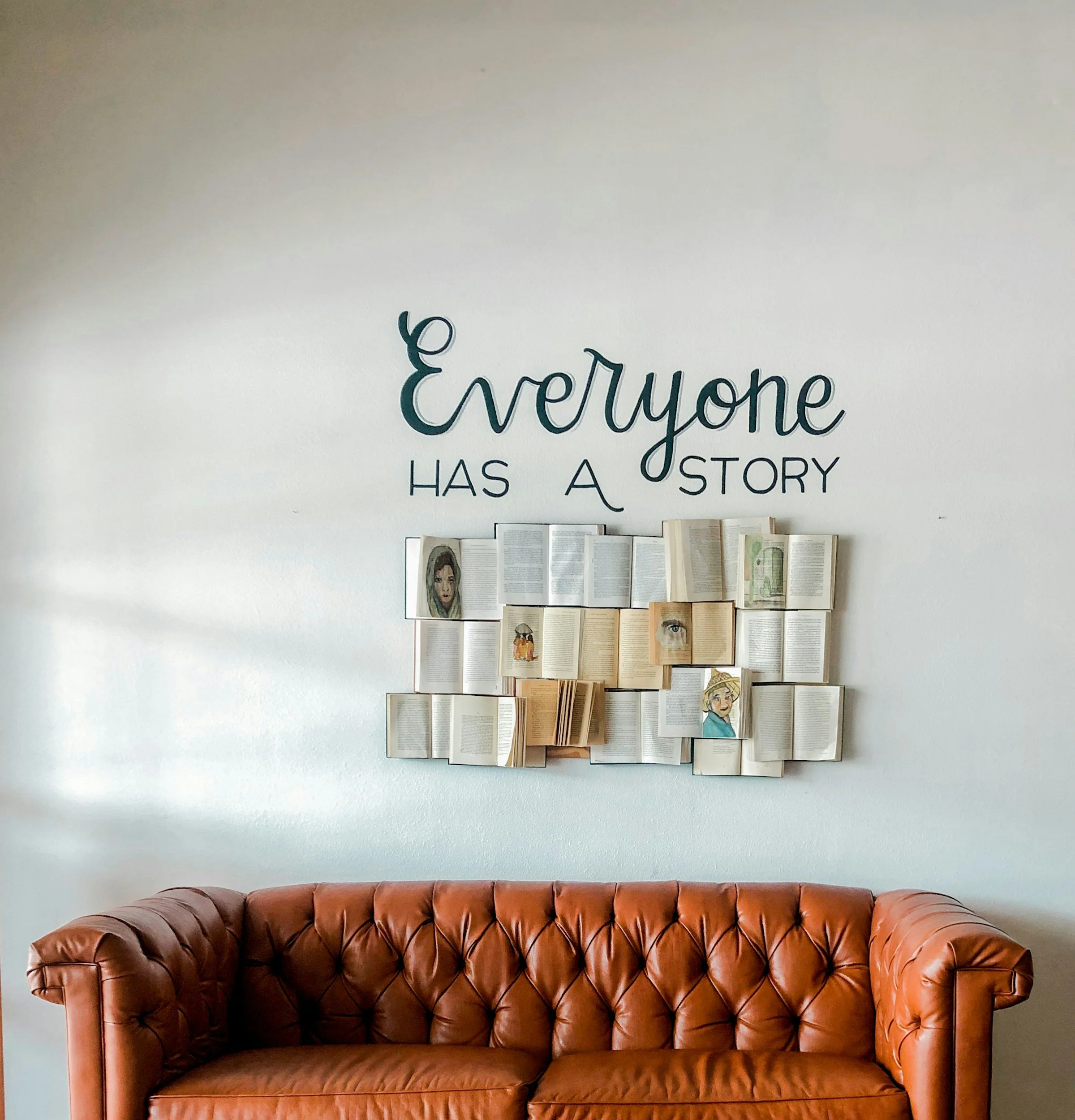
Whole-person planning for everyday communication needs.

Pacific Rim Speech & Language provides assessment and therapy services for school-aged learners & adults.
We provide a welcoming, inclusive approach to care that is strength-based for minds of all kinds.
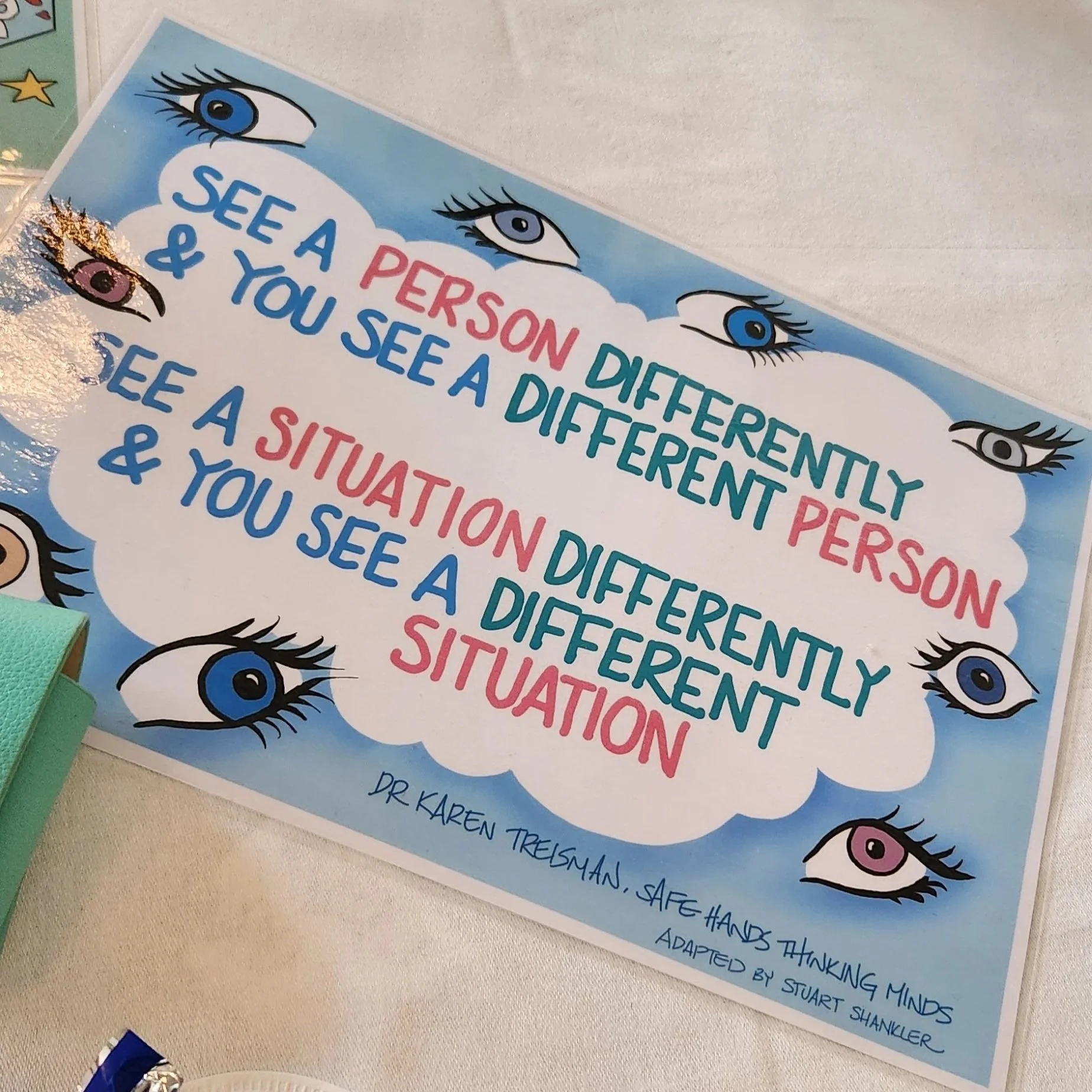
We support families and adults navigating speech, cognition & language, literacy, and social communication difficulties. This includes tailored, trauma-informed care in rehabilitation following life injury or events.

If you are a Counsellor, Psychologist, or other service provider sending a referral, please email us at: services@pacificrimspeech.nz
Our website is scroll-based for access ease.
Check out our Contact Form & more below!

Questions?
Let’s connect.
Our home clinic is based out of Ōtautahi/Christchurch. We also offer school-based visits in the surrounding area and teletherapy online where possible.
We look forward to hearing from you.
Merci/Mahsi cho/Ngā mihi/Fa'afetai
“I think that a good storyteller brings
hope, hilarity, comfort, inspiration and peace.”
-Richard Van Camp (Tłı̨chǫ Dene Author & Storyteller)
-
We value building a safe space for meaningful connections and therapy goals to grow. We respect and upholding the shared Māori and Indigenous knowing that people and children are ‘born capable’.
Like many cultures across the Pacific Rim, we value the importance of storytelling and your lived knowledge and experiences. Often times our intervention includes building new stories with language skills and emotional vocabulary or building stories from real experiences and making meaning of these through language and visual communication tools.
Research tells us this is a rich approach to therapy that meets a variety of social communication, mental health, literacy, and language-based goals.
______________________________
A wee bit more . . .
Kia ora! I’m Nicole. I hold a Bachelors in Media Communications from Simon Fraser University (Canada) and a Masters in Speech-Language Pathology from University of Canterbury (NZ).
My practice follows evidence-based approaches to care, built on pillars of additional training that includes trauma-informed care, togetherness and teamwork (mahi tahi), and multisensory learning.
My current PhD studies are on autistic language and pre-adolescent mental health. -
Childhood apraxia of speech
Personal event narrative language
-perspective-taking
-emotional vocabulary
-problem-solving through story
Neurodivergent preferences, flexibility & social communication
Regulation, voice and self-monitoring for communication readiness
Communication & cognition
-following significant injury or events (including word-finding)
-planning & organization of information
-reminiscent therapy & dementia
Certified Structured literacy intervention
Collaborative assessment, such as: FASD, Dyslexia or AutismPD services in school settings or for hire based on specialization topics
-
First, we receive your Connect Form
We connect by email, phone
and book our first session togetherFirst Session
This is a time of kōrero, hearing your experiences, voice, and communication concerns. We identify meaningful goals and choices together, then take steps towards what that looks like. This could be assessment and/or therapy.
———————————-
Setting & Space
Sessions usually take place at our clinic, in shared Psychologist or counsellor session, or your child’s kura/school.
Session Duration
-Initial session: 50mins
-Following Sessions: 30 or 50 mins
-Structured Literacy: 45 mins
Professional Development
Available to schools, individual professionals, and organizations
We often support specialists with coaching, supervision, or team-based professional development across the key areas of our mahi. This includes structured literacy for older students, neurodivergent-affirming approaches to learning, and other team-based needs.
Did you know?
-SLT’s are the only health provider trained and qualified to assess and deliver speech, cognition & language, voice, and swallowing services across the lifespan. This registration is not required in NZ but mandatory in countries such as Canada and Australia.
-We are registered in Canada and voluntarily registered in New Zealand.
-We’re passionate about helping people become confident communicators, readers, writers, and storytellers. Stay tuned for group-based services coming in 2027!